Underwater & Marine Robotics
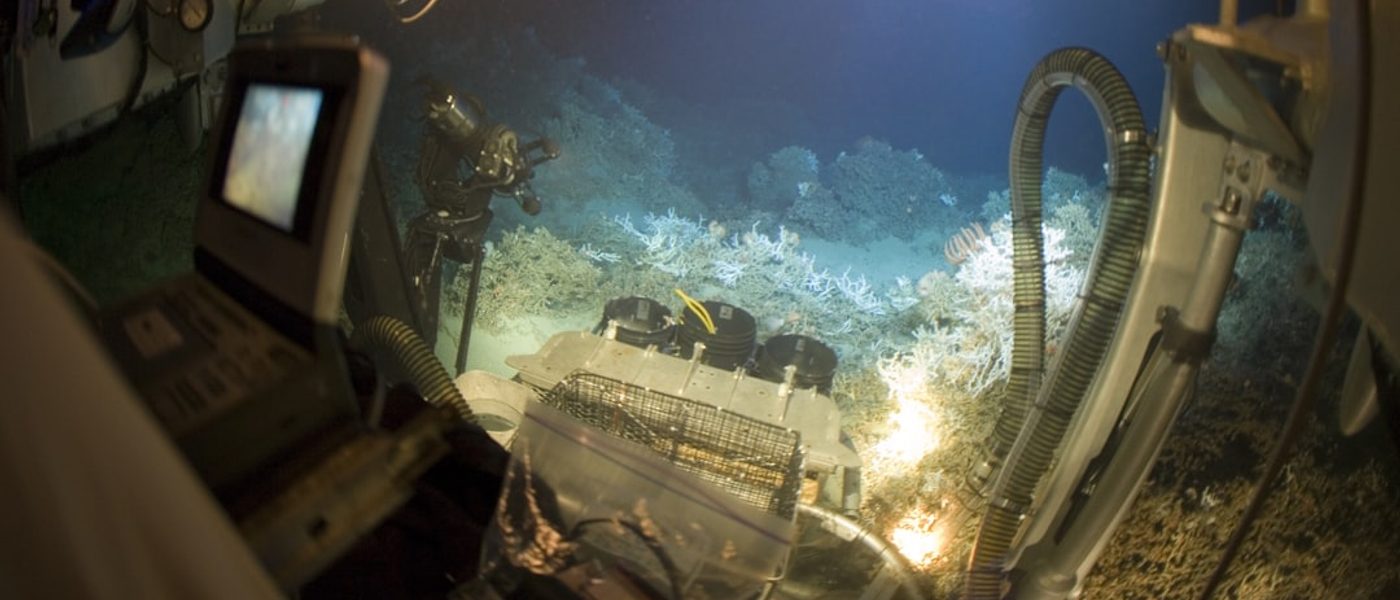
This course is the third stop in the Specialized Robotics Applications track, following medical and surgical robotics and agricultural robotics, and preceding space robotics. It looks at why the underwater environment is arguably the least forgiving place to operate an autonomous system: radio waves and GPS signals don't propagate through water, communication has to fall back on slow, low-bandwidth acoustic links, visibility is frequently near zero, and pressure grows relentlessly with depth. You'll learn how the field splits vehicles into tethered ROVs and untethered AUVs to cope with the comms problem, how localization is rebuilt from scratch without satellites, and how buoyancy and ballast replace wheels and legs as the primary means of controlled movement. This course assumes the localization, SLAM, and actuator fundamentals covered elsewhere on this site and focuses specifically on how those ideas have to bend, or break, underwater.