All Learning Pathways
400 pathways across AI, Blockchain, Robotics, and Design. New here? Each category is ordered start to finish, just look for the "Start here" badge in a category and take courses in the order they appear, we'll always point you to what's next once you finish one.
Mastering Claude & the Anthropic Ecosystem
8-part guided track





Claude in Production: The Sharp Edges
7-part guided track






Anthropic's Enterprise Playbook
7-part guided track




Beyond Claude: OpenAI, Google & Open Models
11-part guided track







AI Agents & Automation
9-part guided track






Deploying & Scaling AI Agents
11-part guided track






AI Agent Security & Trust
11-part guided track








Applied Machine Learning
10-part guided track









Computer Vision Deep Dive
4-part guided track



NLP & Language Systems
8-part guided track







Generative & Multimodal AI
6-part guided track





AI Hardware & Efficient Models
5-part guided track




What AI Actually Costs to Run
6-part guided track

Getting Hired in AI
8-part guided track



AI Services People Pay For
6-part guided track



AI on Trial: Copyright, Law & Regulation
6-part guided track




AI Career, Business & Society
13-part guided track






AI x Web3
2-part guided track

Robot Control & Dynamics
9-part guided track





Perception & Autonomy
12-part guided track










Robot Manipulation, Vision & Learning
12-part guided track









Robot Brains: Onboard Compute & Foundation Stacks
7-part guided track



Specialized Robotics Applications
5-part guided track



Humanoid & Home Robotics
12-part guided track







Robotics in Industry & Business
18-part guided track













Robot Integration & Commissioning
6-part guided track



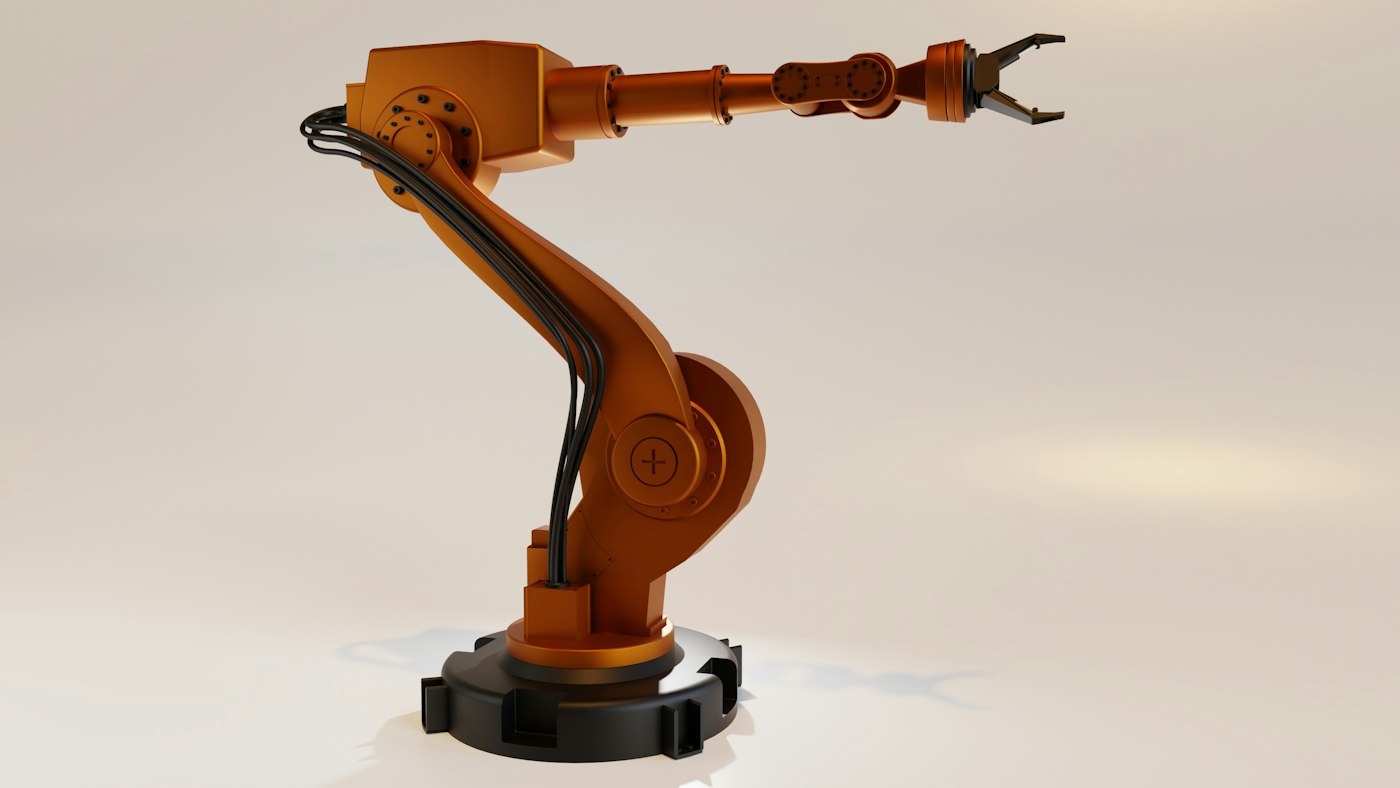
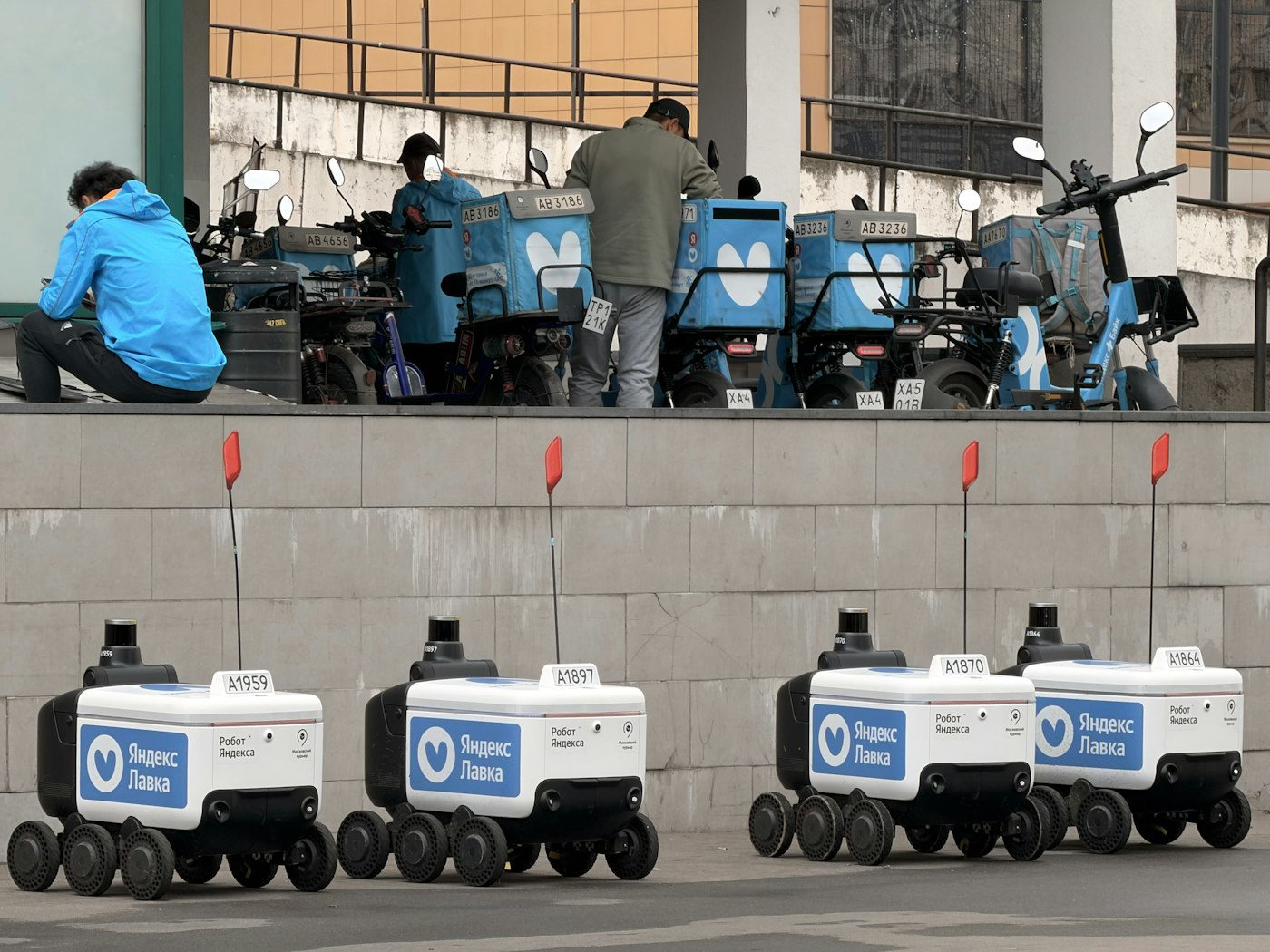
The Robotics Job Market
7-part guided trackRobotics Hands-On Starter Kit
11-part guided track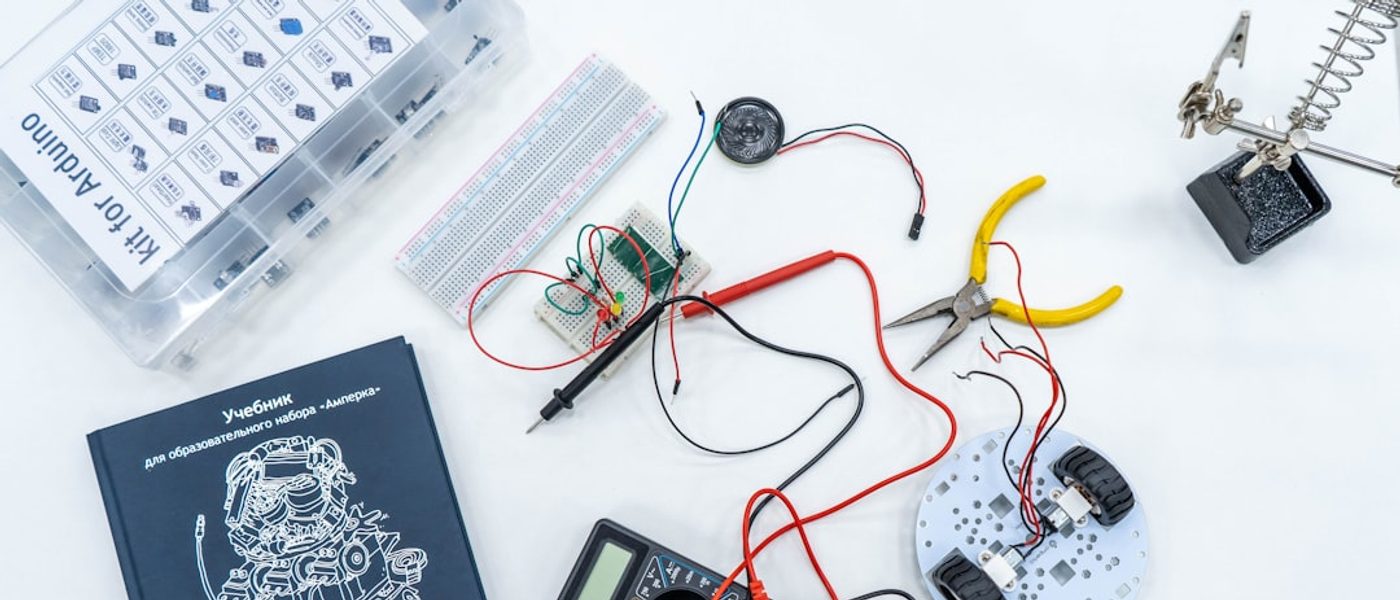
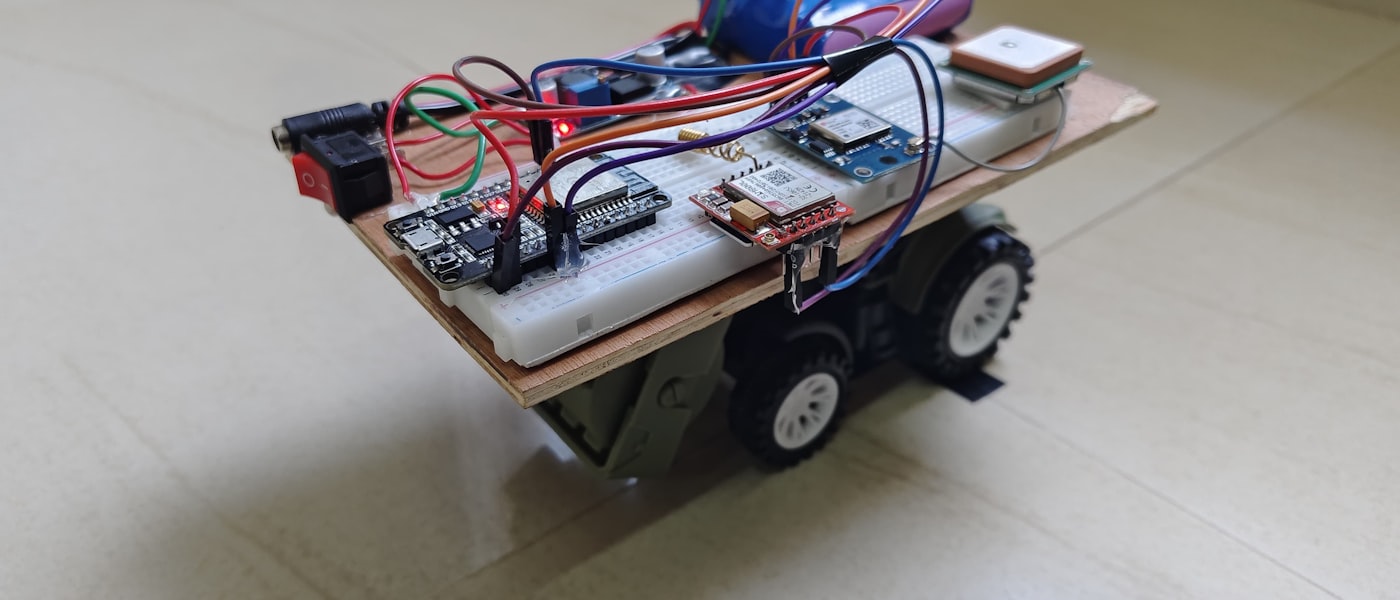






Drones & Aerial Robotics
4-part guided track


Bitcoin Mastery
8-part guided track







Ethereum Mastery
6-part guided track





Solana & Base Ecosystems
5-part guided track




Layer 2s, Scaling & Interoperability
5-part guided track




Stablecoins & Real-World Money
8-part guided track







Crypto Compliance, Law & Tax
7-part guided track





Crypto Back Office: Compliance, Accounting & Treasury
5-part guided track

DeFi, Trading & Market Cycles
16-part guided track














Crypto Fundraising & Tokenomics
4-part guided track



NFTs, Gaming & Digital Culture
5-part guided track




Blockchain Security & Trust
12-part guided track









Crypto Engineering Careers: Audit, Rust & ZK
8-part guided track

Web3 Career, DevRel & Business
7-part guided track


Blockchain Infrastructure & Data
6-part guided track




Hands-On Builder Projects
7-part guided track
AI Research Frontiers
6-part guided track





September 2026: What's Actually New
13-part guided track









September 2026: The Model Wave
10-part guided track
September 2026: Robots Meet the Real World
9-part guided trackSeptember 2026: Chains Upgrade, Rules Land
10-part guided trackCanva Mastery
9-part guided track






Figma & Adobe
3-part guided track


AI Design Tools: Claude, ChatGPT & Gemini
7-part guided track



Design Fundamentals: Color, Type & Branding
10-part guided track








UI/UX & Product Design
7-part guided track



Marketing, Print & Presentation Design
7-part guided track






Building a Design Career
2-part guided track
More AI Courses
Standalone, any order BeginnerStart here
Understand how modern AI actually works, no hype required.
prompt = "Explain gas fees like I'm 12"
response = model.generate(prompt)
print(response)
 Beginner
Learn to talk to AI so it actually does what you mean.
SYSTEM: You are a senior copyeditor. Be concise and direct.
USER: Rewrite this sentence for clarity.
Text: "The utilization of the aforementioned methodology..."
Think step by step, then give only the final rewrite.
 Beginner
Understand how machines actually learn from data, not just what buzzwords mean.
X_train, X_val, X_test = split(data, ratios=[0.7, 0.15, 0.15])
model.fit(X_train, y_train)
val_score = model.evaluate(X_val, y_val)
# Only after tuning is done, touch the test set once
test_score = model.evaluate(X_test, y_test)
 Intermediate
Open the black box and see how deep learning actually works under the hood.
output = activation(sum(weight_i * input_i for i, input_i in enumerate(inputs)) + bias)
loss = loss_function(output, target)
gradients = backpropagate(loss, network)
weights -= learning_rate * gradients
 Intermediate
See how machines turn pixels into understanding.
image = load_image("stop_sign.jpg")  # shape: (224, 224, 3)
edges = conv2d(image, filter=vertical_edge_kernel)
features = cnn.extract_features(image)
prediction = classifier(features)
print(prediction) # {"stop_sign": 0.97, "yield_sign": 0.02} Beginner
Say the right thing to an AI model, and it does the right thing back.
 Beginner
Turn spreadsheets and dashboards into questions you can just ask.
 Intermediate
Give a language model a library card instead of asking it to memorize everything.
 Beginner
Powerful tools deserve careful hands. Learn to build and use AI responsibly.
 Beginner
No math degree required: understand what machine learning actually is and how it learns.
 Beginner
From a text prompt to a finished frame: how AI actually paints and animates.
 Beginner
Where AI actually earns its keep inside a real company, not just in demos.
 Advanced
Two ways to customize a model's behavior, and knowing which one actually solves your problem.
 Intermediate
Demystify the transformer architecture and training process behind GPT, Claude, and Gemini.
 Intermediate
Autocomplete grew up. Learn to actually work with an AI pair programmer, not against it.
More Blockchain Courses
Standalone, any order Beginner
The internet of money, explained the fun and simple way.
 Beginner
Protect your funds. Spot scams before they cost you.
 BeginnerStart here
Understand how blockchains actually work, from blocks to consensus.
block.hash = sha256(prevHash + data + nonce)
while (!block.hash.startsWith('0000')) nonce++ Intermediate
Write, deploy, and secure the programs that run on-chain.
function withdraw() external {
  uint amount = balances[msg.sender];
  balances[msg.sender] = 0;
  payable(msg.sender).transfer(amount);
} Beginner
The habits that separate a self-custody wallet from a very expensive lesson.
 Beginner
Bitcoin was the first use case, not the whole idea.
 Beginner
Code that executes exactly as written, no middleman required.
 Intermediate
Banking, rebuilt from open-source code instead of institutions.
 Beginner
Unique digital ownership, minus the profile-picture noise.
 Intermediate
How blockchains handle more users without breaking what makes them trustworthy.
 Beginner
Your keys, your crypto, your responsibility.
 Intermediate
Governance where the bylaws are code and the votes are on-chain.
 Intermediate
Crypto that's designed to be boring, on purpose.
 Beginner
Tracing a product's journey with a record nobody can quietly edit.
 Advanced
Write the code that runs a smart contract, line by line.
More Robotics Courses
Standalone, any order BeginnerStart here
Meet the machines that sense, think, and move through the real world.
 Beginner
The two halves of every robot, sensing the world and acting on it, and the components behind each.
 Intermediate
A robot that breaks down is worse than no robot at all. Reliability engineering is its own discipline.
 Beginner
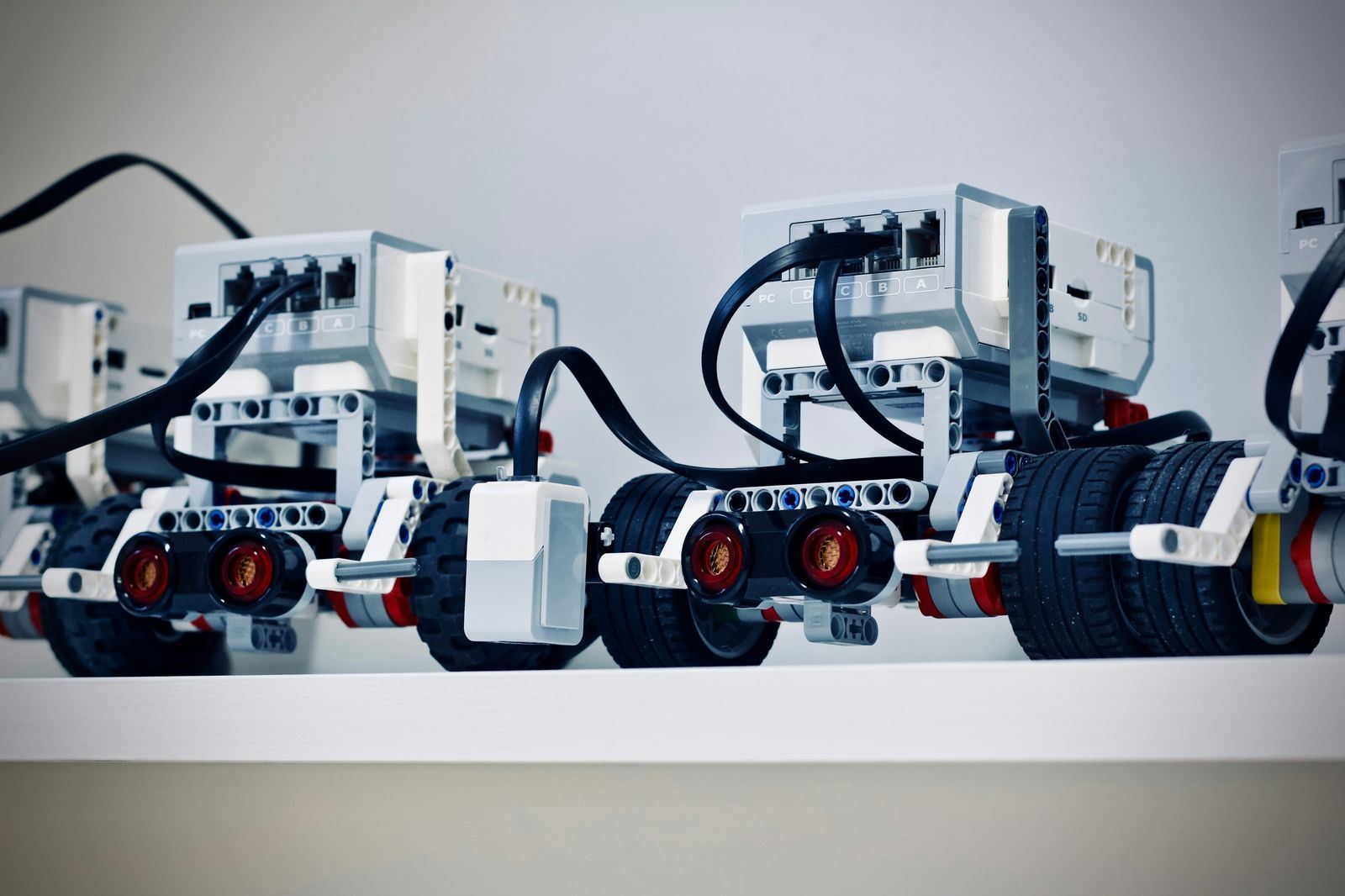
Teach a machine to see, and you've solved half of robotics.
 Intermediate
The plumbing that lets a robot's dozens of programs talk to each other.
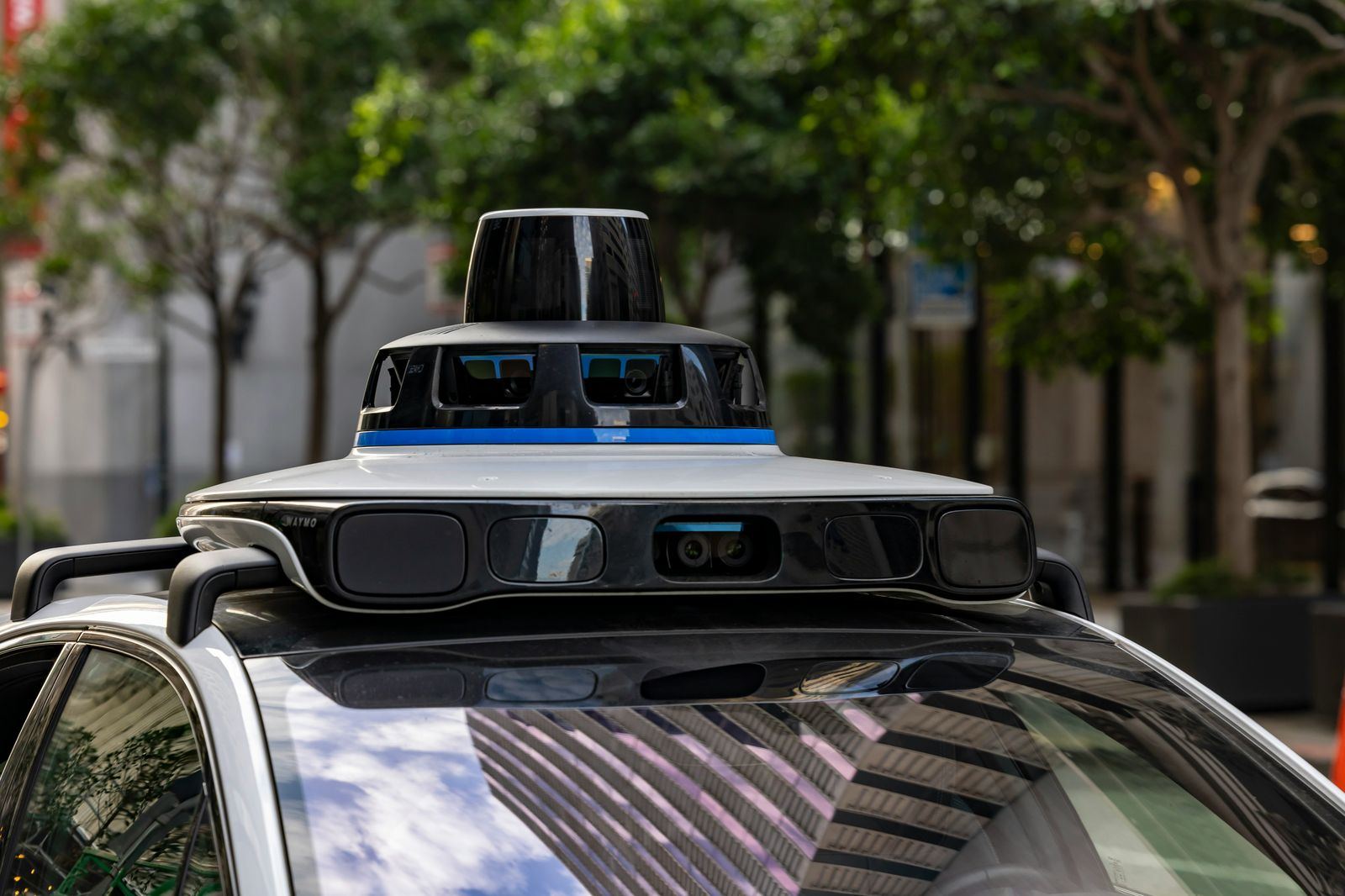 Advanced
How a robot builds a map of a place it's never seen, while figuring out where it is on that map.
 Intermediate
The geometry problem every robotic arm has to solve before it can touch anything.
 Intermediate
How hundreds of self-driving carts share one warehouse without colliding.
 Beginner
Why the robot shaped like us is suddenly the hottest bet in the industry.
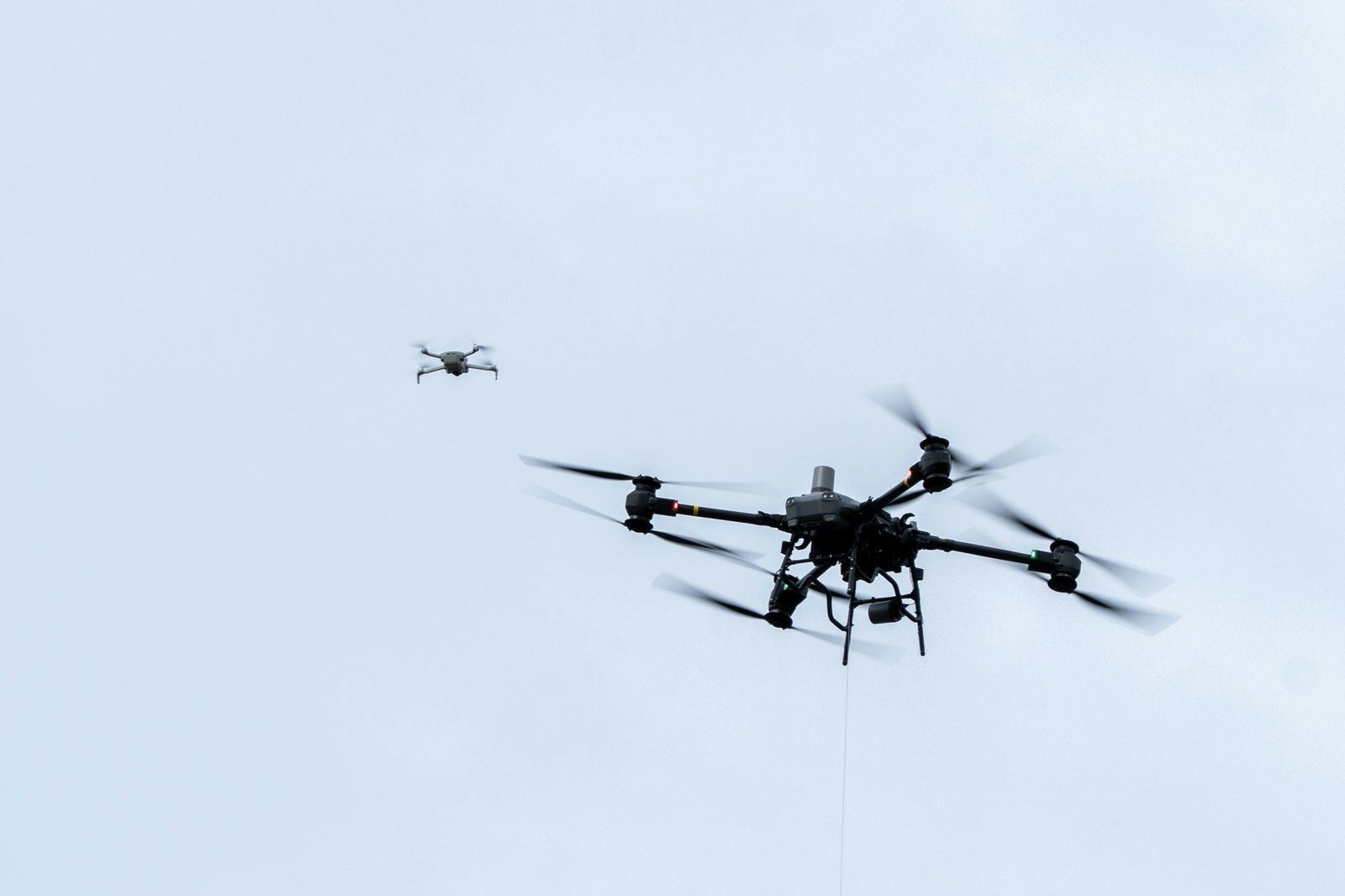 Advanced
How dozens or thousands of simple robots pull off tasks no single robot could handle alone.
 Beginner
Farming is one of the oldest jobs on Earth, and robots are quietly rewriting how it's done.
 Intermediate
When a robot's mistake means a patient's life, precision isn't optional, it's the whole point.
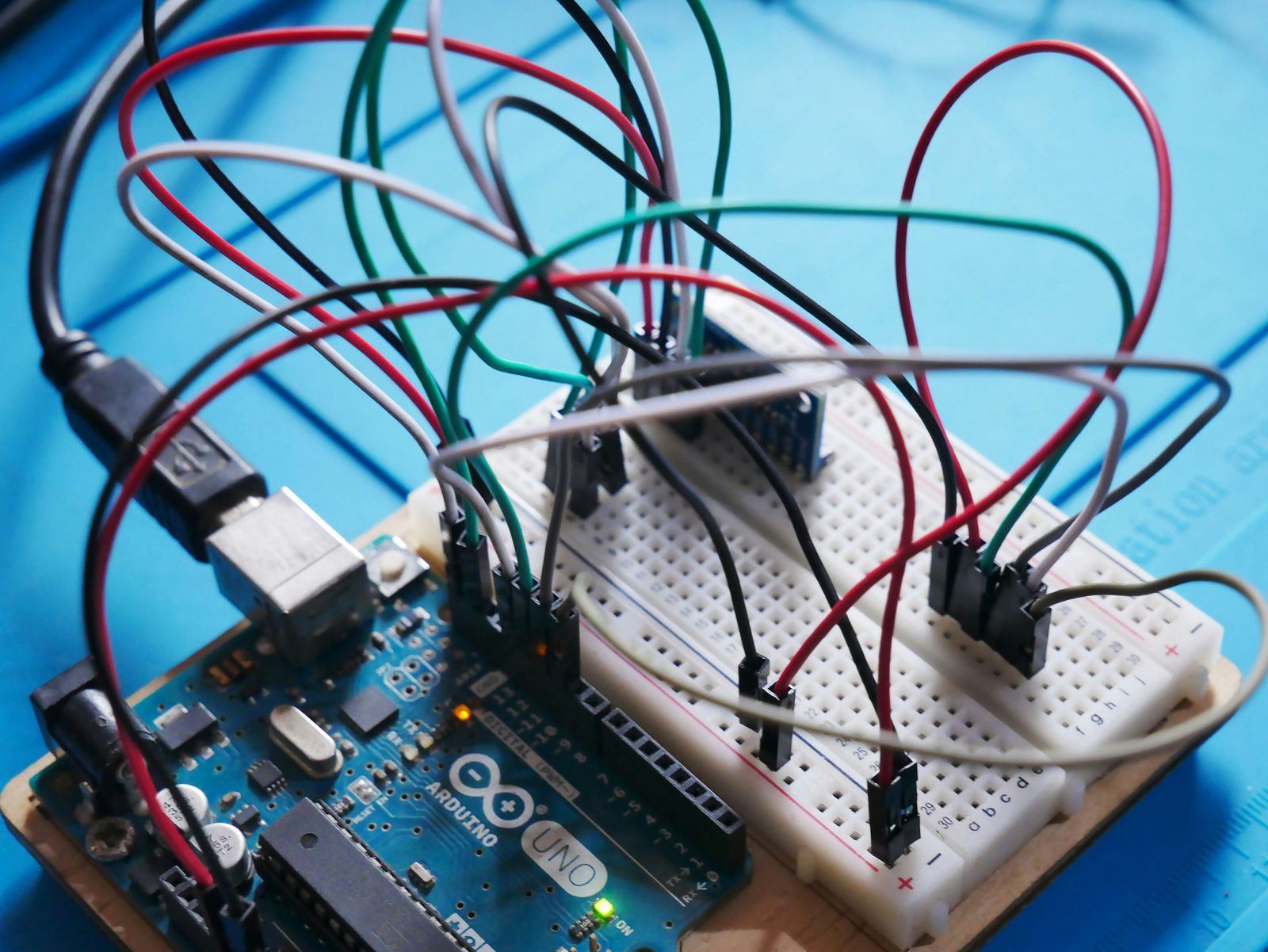 Beginner
The cheapest, most satisfying way to actually learn robotics is to build one badly, then fix it.